Central Dispatch for Auto Transport Brokers
(How It Actually Works)
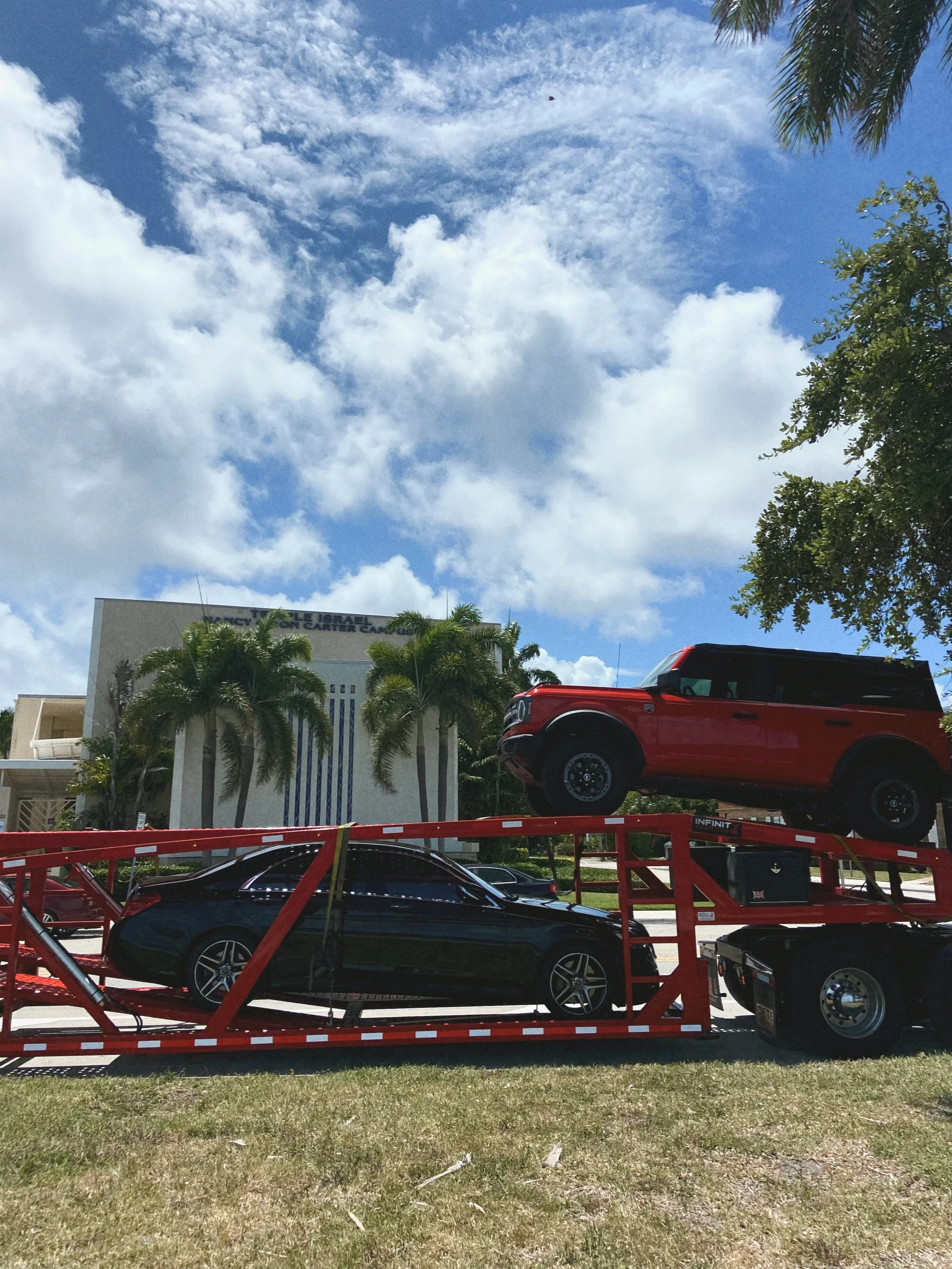
If you’re starting an auto transport brokerage, there’s one platform that sits at the center of nearly every shipment: Central Dispatch.
It’s where brokers connect with carriers, post vehicles, negotiate rates, and ultimately get cars moved across the country. On the surface, it looks simple. Create a post, wait for calls, and book a driver.
But that’s not how it works in practice.
What separates brokers who struggle from brokers who consistently move vehicles comes down to how they actually use Central Dispatch. Pricing, timing, negotiation, and how a load is presented all play a role in whether your shipment gets picked up quickly or sits untouched.
This page will give you a clear, real-world understanding of how Central Dispatch works, what matters, and what most new brokers misunderstand.
If you're just getting started, begin here: Start an Auto Transport Broker Business
What Central Dispatch Actually Is
Central Dispatch is the primary load board used in the auto transport industry. It connects licensed brokers and carriers in one centralized marketplace where vehicles are posted and claimed for transport.
As a broker, this is where your shipments live once you’ve secured a customer. You create a listing that includes the vehicle, pickup and delivery locations, timing, and the price you’re offering. Carriers then review available loads and decide which ones are worth taking.
From the outside, it can feel like a simple listing service. In reality, it operates more like a live marketplace where pricing, reputation, and timing are constantly shifting.
Most new brokers assume that once a vehicle is posted, carriers will immediately start calling. Sometimes they do. More often, they don’t. Understanding why is where experience starts to matter.
How Brokers Use Central Dispatch Day-to-Day
Once a customer books with you, Central Dispatch becomes your primary tool for actually fulfilling that order.
A typical workflow looks like this:
You receive a shipment request → you quote the customer → you secure the order → you post the vehicle → you negotiate with carriers → you assign the driver → the vehicle is picked up and delivered.
What isn’t obvious at first is how much judgment is involved at each step, especially when evaluating and selecting the right carrier for a given shipment.. Two brokers can post the exact same vehicle, on the same route, at the same time, and have completely different outcomes.
One gets the car picked up within 24 hours.
The other watches it sit for days.
The difference usually comes down to how the load was priced, how it was presented, and how actively the broker manages the listing after it goes live.
Why Some Loads Move Immediately (And Others Don’t)
Not every vehicle moves at the same speed, and it’s not random.
Certain routes have constant carrier traffic. Others require more strategic pricing or patience. Seasonality, weather, fuel prices, and even the day of the week can influence how quickly a load gets picked up.
New brokers often make the mistake of treating every shipment the same. They post a vehicle, set a price, and wait.
Experienced brokers adjust in real time.
They understand when a route needs to be priced aggressively versus when it can be held. They recognize when to increase a rate, when to wait, and when to change strategy entirely.
This is where most of the learning curve happens, and it’s also where most early mistakes are made.
Pricing on Central Dispatch (What Actually Matters)
Pricing is the single biggest factor in whether a shipment moves.
Carriers are not choosing loads randomly. They are constantly evaluating which shipments make sense based on distance, route density, fuel costs, and how the vehicle fits into their existing schedule.
If a load is underpriced, it will sit.
If it’s overpriced, it may move quickly but cut into your margin.
The goal is not to guess. It’s to understand what the market is doing in real time and position your shipment accordingly.
There’s a balance between getting a vehicle picked up quickly and maintaining a healthy margin as a broker. Finding that balance consistently is what turns this into a real business instead of a guessing game.
For a deeper breakdown of how brokers structure pricing and margins, see: how auto transport brokers make money.
What Most New Brokers Get Wrong About Central Dispatch
The biggest misconception is that Central Dispatch does the work for you.
It doesn’t.
It’s a tool, and like any tool, it only works as well as the person using it.
New brokers tend to rely too heavily on passive posting. They list a vehicle and wait for carriers to reach out. When nothing happens, they assume something is wrong with the platform.
In reality, successful brokers are active. They adjust pricing, communicate with carriers, repost when necessary, and stay on top of each shipment until it’s assigned.
Another common mistake is focusing only on price without understanding presentation. How a load is written, how timing is communicated, and how responsive the broker is all influence whether a carrier chooses to take that job.
The Role Central Dispatch Plays in Building a Profitable Brokerage
Central Dispatch is not just a posting platform. It’s where your operational skill set develops.
Over time, you start to recognize patterns. You understand which routes are easy, which ones require more effort, and how to position each shipment for success.
This is also where your reputation begins to matter. Carriers remember brokers who are organized, responsive, and consistent. That familiarity can make future shipments easier to move and reduce friction in the process.
When used correctly, Central Dispatch becomes a predictable system rather than a guessing game.
Where Most People Hit a Wall
Central Dispatch is simple to access but difficult to master.
Most people can figure out how to post a vehicle. Far fewer understand how to consistently get shipments picked up at the right price, within the right timeframe, without creating problems for themselves or their customers.
That gap is what separates people who are casually trying to figure this out from those who are running a real brokerage.
Inside Auto Transport Academy, we go deeper into how this actually works in practice. Not just the platform itself, but how to read the market, price correctly, and manage shipments in real time.
Central dispatch Frequently Asked Questions
-
Central Dispatch is the primary load board used in the auto transport industry. It’s where brokers post vehicles that need to be shipped and where carriers find loads to transport across the country. It acts as the central marketplace connecting both sides of the transaction.
-
Most licensed brokers use Central Dispatch in some capacity because it has the largest network of carriers. While there are other load boards and private networks, Central Dispatch is typically the starting point for getting vehicles assigned and moved.
-
Carriers choose loads based on pricing, route efficiency, timing, and how the shipment is presented. Brokers who understand how to position a load properly and adjust in real time tend to get vehicles picked up faster and with fewer issues.
-
Central Dispatch is a core tool, but it’s only one part of the business. Successful brokers also focus on lead generation, pricing strategy, customer communication, and carrier relationships. The platform itself doesn’t replace those skills.
-
Central Dispatch operates on a monthly subscription model for brokers. Pricing can vary, and access typically requires an active, licensed brokerage. Most new brokers view it as a necessary operational expense once they begin moving vehicles.
-
When a vehicle doesn’t move, it’s usually due to pricing, route demand, timing, or how the load is written. New brokers often assume something is wrong with the platform, but in most cases it comes down to how the shipment is positioned.
-
Yes, but it depends on how well you understand pricing and execution. Central Dispatch gives you access to carriers, but profitability comes from how you structure deals, manage margins, and consistently get shipments moved at the right rates.
If you’ve read this far, you already understand that Central Dispatch isn’t just about posting vehicles. It’s about knowing how to price, position, and manage shipments in real time.