Cost to Start an Auto Transport Brokerage
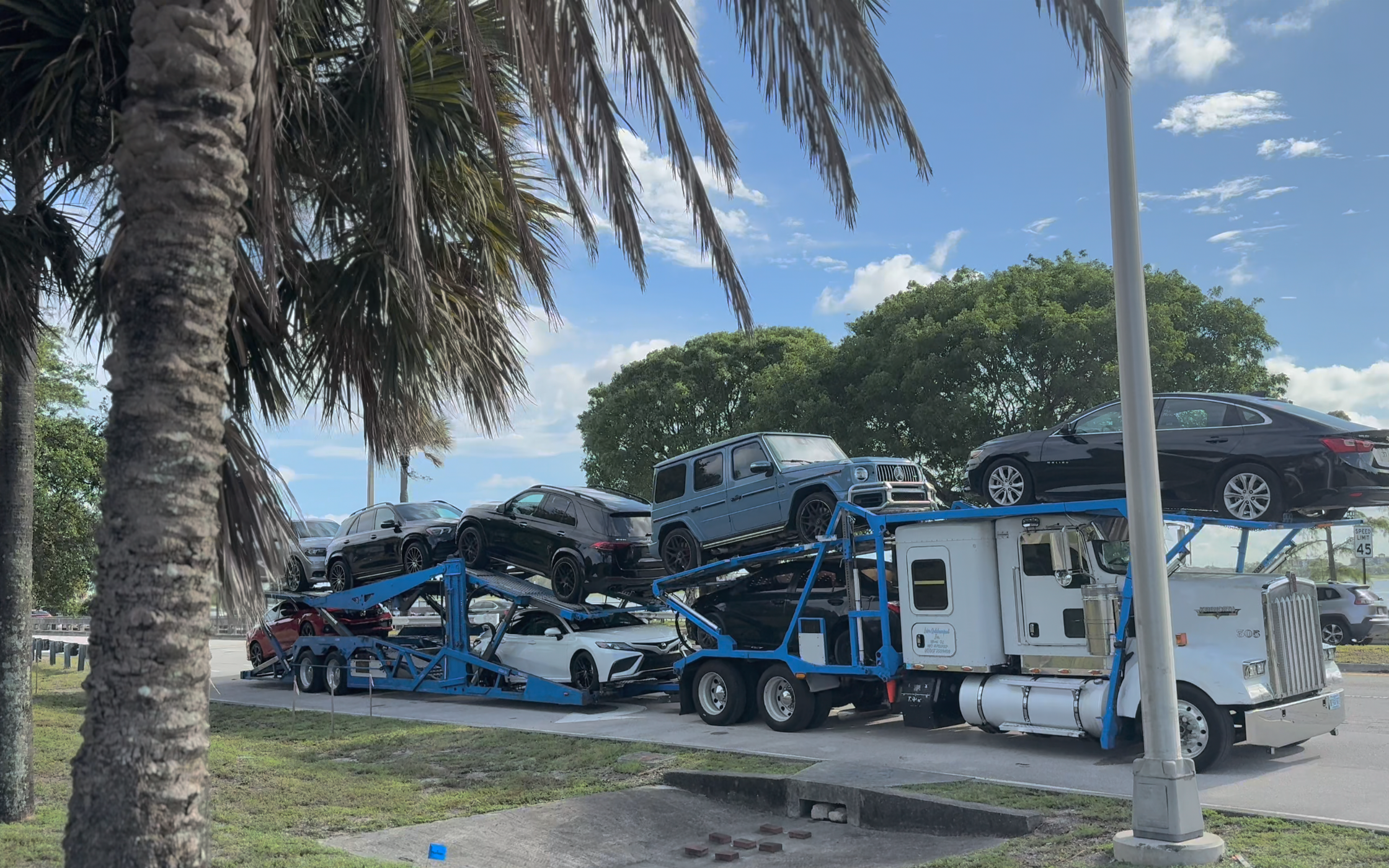
Starting an auto transport brokerage is often described as a “low-cost” business, but that description is only useful if you understand what the real numbers look like and where that money actually goes.
The truth is, you can technically enter the industry for under $20,000, and in many cases far less. But the difference between simply getting registered and actually operating like a professional brokerage comes down to how you allocate that investment from the beginning.
This page breaks down the core costs involved in starting an auto transport brokerage in a clear and realistic way. Not theoretical estimates, and not inflated numbers designed to sell you something. Just the actual categories you will encounter when setting up properly.
If you are new to the industry, it may help to first understand how a brokerage actually operates and makes money. You can start with the full overview here:
Start an Auto Transport Broker Business
From there, this guide will walk through the essential startup costs, what is required, and where new brokers often overspend or underestimate.
How Much Does It Actually Cost to Start?
There is no single number that applies to every situation, but most new brokers fall within a fairly consistent range depending on how they approach setup.
At the most basic level, you are looking at two categories: required regulatory costs and optional operational investments. The required costs are unavoidable if you want to operate legally. The operational side is where strategy begins to matter.
For most people entering the business, a realistic starting range falls between $3,000 and $10,000 to get established and begin taking shipments. That number can increase if you invest more heavily into branding, systems, or lead generation early on.
The important distinction is this: spending more upfront does not guarantee better results. In fact, many new brokers fail because they spend in the wrong areas before understanding how the business actually functions.
Required Costs to Become a Licensed Broker
FMCSA Broker Authority (MC Number)
To operate legally, you must register through the Federal Motor Carrier Safety Administration and obtain your broker authority. This is a one-time application fee and the first official step in becoming active.
This process establishes your brokerage as a recognized entity within the transportation industry and allows you to begin arranging shipments once all requirements are complete.
Surety Bond (BMC-84)
The most significant requirement is the $75,000 surety bond, commonly referred to as the BMC-84. This is not a $75,000 out-of-pocket cost, but rather a bond you secure through a provider based on your credit profile.
Most new brokers can expect to pay somewhere between $900 and $3,000 annually for this bond. Your exact rate will depend on personal credit and financial history.
Process Agent (BOC-3 Filing)
You are also required to designate a process agent in each state, which is handled through a BOC-3 filing. This is typically a one-time cost and is usually handled by a service provider.
Business Entity and Basic Setup
This includes forming your LLC or corporation, obtaining an EIN, and setting up a business bank account. While relatively inexpensive compared to other costs, it is still a necessary part of operating professionally and separating personal and business finances.
Operational Costs That Actually Impact Your Success
Once the legal requirements are handled, the focus shifts to how you operate the business day to day. This is where most of the variation in startup cost comes from.
Load Boards and Dispatch Access
Most brokers rely on platforms like Central Dispatch to find and post shipments. Access to these systems is typically a monthly subscription and becomes one of your core tools immediately.
If you want a deeper understanding of how this platform works and how brokers actually use it, you can read that breakdown here:
How Central Dispatch Works
Communication and Basic Systems
At a minimum, you will need a reliable phone setup, email system, and a simple way to manage quotes and customer communication. This does not need to be complex early on, but it does need to be consistent.
Many new brokers overspend here by trying to build a “perfect” system before they have real volume.
Website and Online Presence
A simple, clean website that clearly explains your service is more than enough to begin. The goal is credibility and clarity, not complexity.
Over time, this becomes more important as you build authority and attract inbound leads. If you want to understand how brokers generate consistent opportunities, that is covered here:
How Auto Transport Leads Work
Where Most New Brokers Overspend
One of the biggest mistakes early on is assuming that spending more will accelerate results. In reality, most overspending happens in areas that do not directly produce shipments.
This often includes overbuilt websites, unnecessary software subscriptions, and paid leads without a clear process to convert them.
The early stage of this business is not about scale. It is about understanding how shipments move, how pricing works, and how to communicate effectively with both customers and carriers.
A More Realistic Way to Think About Startup Cost
Instead of asking “What does it cost to start?”, a better question is “What do I actually need to get my first shipment?”
The gap between those two questions is where most people either overcomplicate the process or hesitate to begin.
This business rewards action and consistency far more than it rewards perfect preparation. Being responsive, building trust quickly, and following through will carry more weight than having a polished setup on day one.
Final Thoughts
Starting an auto transport brokerage does not require a massive upfront investment, but it does require clarity around where your money is going and why.
If you approach it with the right structure, you can enter the industry efficiently, avoid common mistakes, and begin generating revenue without unnecessary overhead.
If you want to see how all of this fits together step by step, including how to go from setup to your first shipments, you can start with the full breakdown here:
Start an Auto Transport Broker Business
Or, if you are considering getting started and want to understand whether this is the right fit for you, you can reach out directly here: